EN
EN
 cn
cn  ja
ja  ko
ko  de
de  es
es  it
it  vi
vi  th
th  ms
ms  id
id 
Address:
155 Suhong East Road, Suzhou Industrial Park, Jiangsu Province, China 
WHAT ARE YOU LOOKING FOR?
From 3C to Robotics: How Alumina Abrasives Are Shaping the Precision Foundation of the Smart Era
In today’s world, where AI technology is rapidly advancing, our smart devices—ranging from smartphones to wearable tech and even humanoid robots—are the culmination of sophisticated semiconductor and precision manufacturing technologies. A key process in this journey towards “intelligence” is cutting, grinding, and polishing, with alumina abrasives playing a crucial role throughout.
Alumina, known for its high hardness, chemical stability, controllable particle size, and cost-effectiveness, has become an irreplaceable foundational material in precision manufacturing. Hunan Konar Fine Chemical Co., Ltd., which has honed its expertise in this field over many years, is contributing its high-performance alumina abrasives to provide solid support for the precision demands of the smart era.
Rising Precision: From 3C Electronics to Humanoid Robots
Over the past decade, the 3C consumer electronics industry has revolutionized the precision processing of metals and glass. Stainless steel frames, aluminum alloy brackets, and camera lenses are lightweight components that demand exceptional surface smoothness, dimensional accuracy, and consistency. Traditional processing methods have been rendered insufficient, giving way to advanced techniques centered around CNC machining, five-axis linkage, and ultra-precision grinding.
Now, with the burgeoning humanoid robotics industry, precision processing faces new challenges. Key components such as harmonic drives, planetary roller screws, and precision bearings must not only utilize harder materials (like titanium alloys and tool steels) but also achieve micron and even nanometer-level precision. Any minor surface defect can be magnified during high-frequency movement, leading to performance degradation or failure.
In this context, cutting and grinding are no longer merely surface processing procedures; they are critical steps that determine product yield and reliability. Alumina abrasives act as the “core medium” in this process.
Grinding in Semiconductor and AI Hardware: The Art Behind Wafer Manufacturing
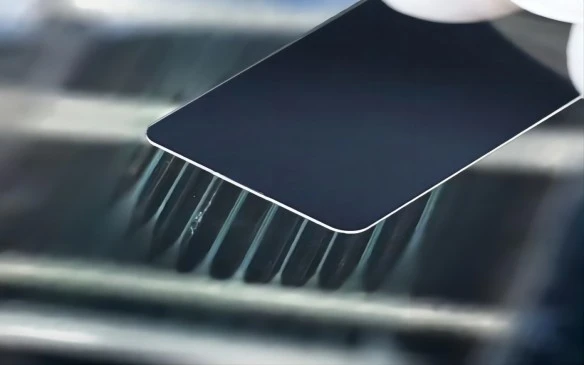
If chips are the “brains” of AI, then wafers serve as the “foundation.” In the later stages of wafer manufacturing, processes such as chamfering, thinning, and polishing are crucial. As third-generation semiconductor materials like silicon carbide (SiC) gain traction, traditional abrasives struggle to meet the demands of processing such high-hardness materials (Mohs hardness of 9.2).
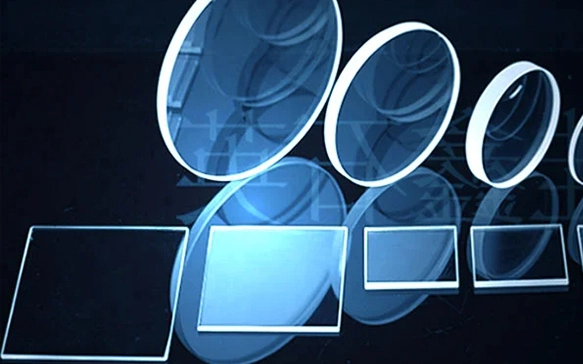
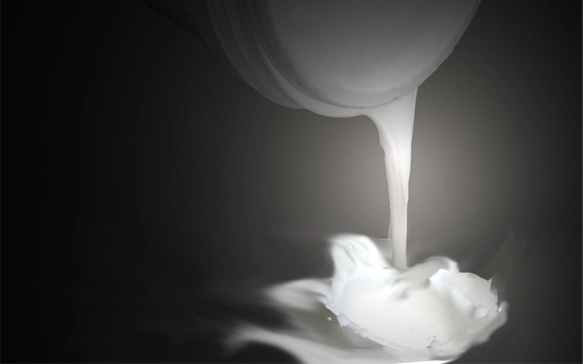
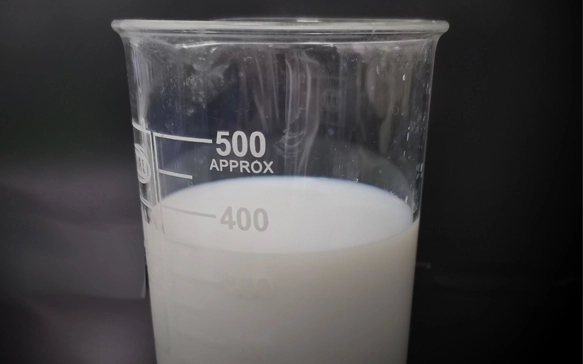
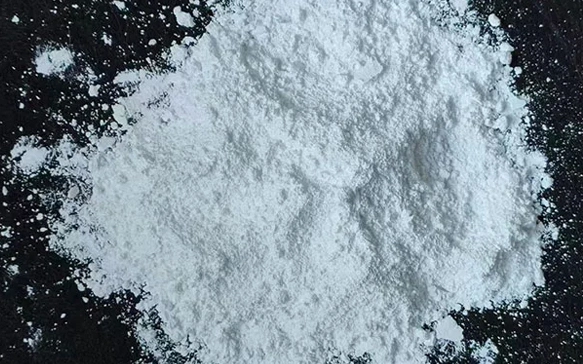
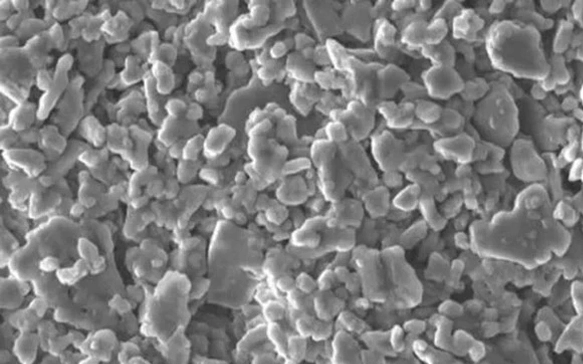
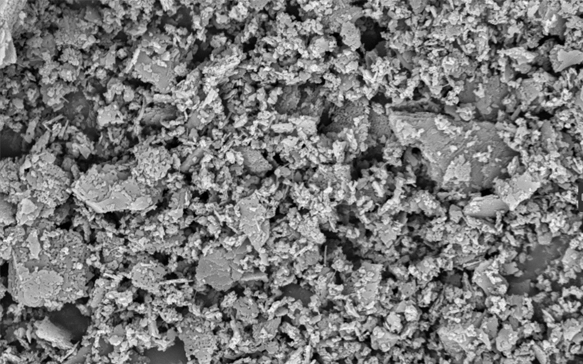
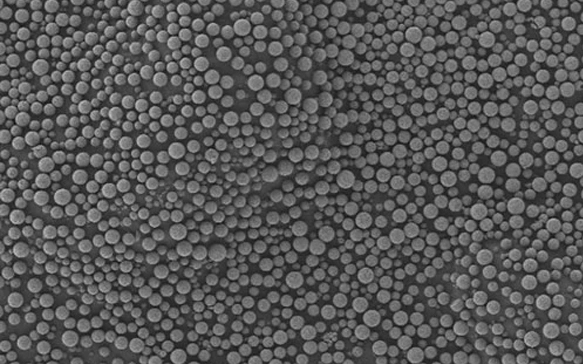
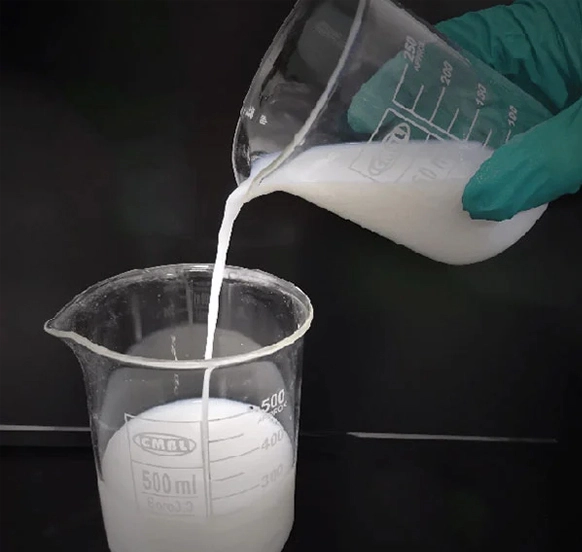
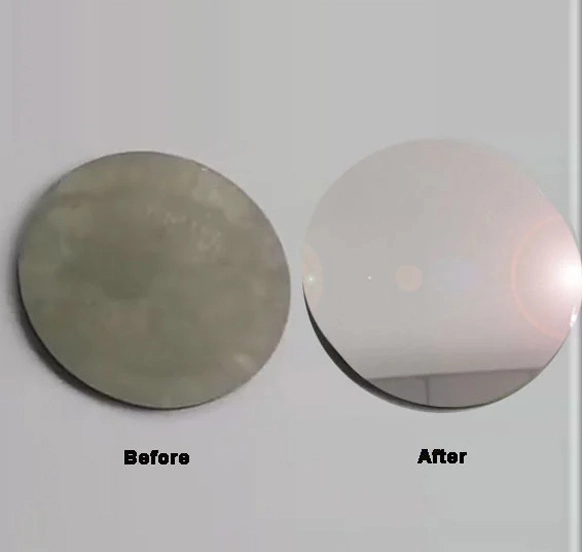
Alumina abrasives, specially manufactured, can achieve hardness exceeding 9.2, with particle sizes controlled between 100nm-150nm, making them ideal for polishing silicon carbide wafers. Their plate-like structure allows for uniform surface contact during grinding, facilitating sliding-type grinding that effectively reduces scratches and subsurface damage, thereby enhancing surface smoothness and flatness.
Moreover, in the grinding of electronic ceramic materials such as MLCCs (multilayer ceramic capacitors) and semiconductor ceramic substrates, high-purity alumina abrasives (like those with 99.99% purity) prevent the introduction of metallic impurities, ensuring stable electrical performance. For instance, one MLCC manufacturer reduced thickness fluctuations from ±0.2μm to ±0.05μm after switching to high-purity alumina grinding, resulting in a 12% improvement in yield—demonstrating the precise control capabilities of alumina abrasives.
Konar Fine Chemical: Empowering a New Future of Precision Manufacturing with Ultra-Fine High-Purity Alumina
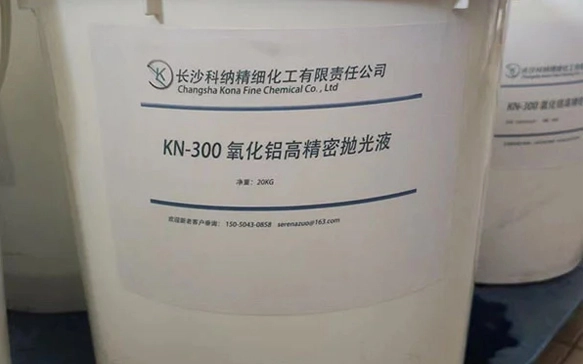
In the “micro world” of precision processing, every parameter of abrasives is vital—particle size distribution, morphology, purity, and crystal structure. Hunan Konar Fine Chemical Co., Ltd. understands this well. For years, the company has focused on high-performance alumina materials, developing a series of alumina abrasive products tailored for different applications:
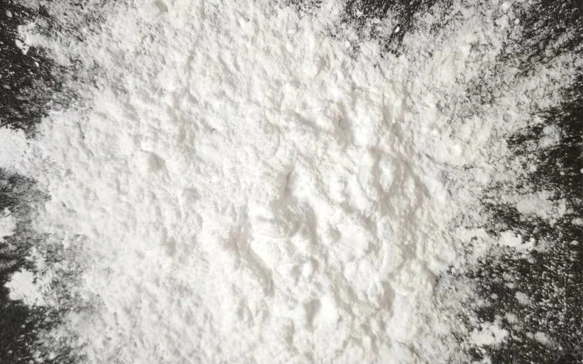
· Ultra-Fine High-Purity Alumina: Suitable for semiconductor wafers, electronic ceramics, and MLCCs, ensuring no impurity contamination.
· Nano-Level α-Alumina: Used for mirror polishing and precision coating, achieving ultra-smooth surfaces with Ra ≤ 0.1μm.
· Special Morphology Alumina: By controlling crystal growth, specific shapes like plate-like and columnar structures enhance grinding efficiency and surface consistency.
Conclusion: Polishing the Surface, Refining the Future
From a silicon wafer to a robot, from a lens to an AI data center, precision manufacturing is redefining the boundaries of industry. On this journey of refinement, while aluminum oxide abrasives may not be conspicuous, they have always been the unsung heroes behind achieving precision and polishing the future.
Changsha Kona Fine Chemicals Co., Ltd. is committed to meticulously refining every grain of aluminum oxide, working hand in hand with industry partners to embrace the infinite possibilities brought by the intelligent era.
Excellence in the small leads to greatness in the large. Kona Fine Chemicals, polishing a new light in intelligent manufacturing.