EN
EN
 cn
cn  ja
ja  ko
ko  de
de  es
es  it
it  vi
vi  th
th  ms
ms  id
id 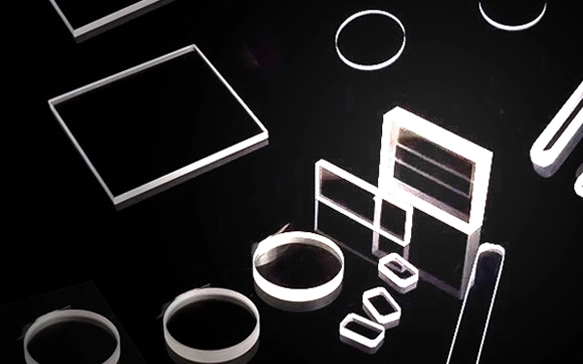
Address:
155 Suhong East Road, Suzhou Industrial Park, Jiangsu Province, China 
WHAT ARE YOU LOOKING FOR?
In modern precision manufacturing, the ability to achieve "micron" and even "nanometer" processing accuracy has become a key indicator of technological strength. Whether in the crystal-clear screens of smartphones, the flattening of wafers in chip production, or thermal management in high-performance electronic packaging, alumina (Al₂O₃) and silica (SiO₂) play pivotal roles as core functional materials, supporting the refined operation of high-end manufacturing.
Changsha Kona Fine Chemicals has been dedicated to the fine chemical industry for many years, consistently providing high-purity and stable alumina and silica products for the semiconductor, electronics, optics, and new materials sectors. Today, we delve into the precise applications of these two "industrial seasonings" in polishing abrasives and semiconductor fillers.
In chemical mechanical polishing (CMP) processes, the choice of abrasive has a significant impact on the final surface flatness, roughness, and yield. Alumina and silica, representing "hard" and "soft," excel in different scenarios.
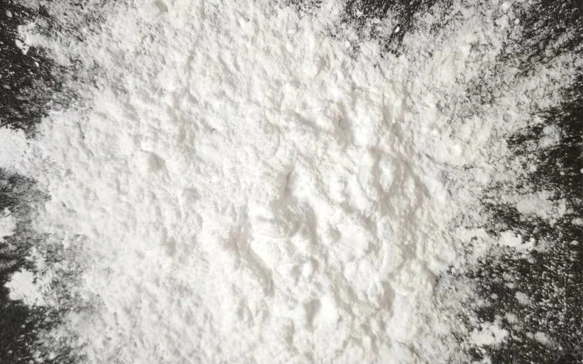
Alumina: Efficient Material Removal, Stable and Reliable
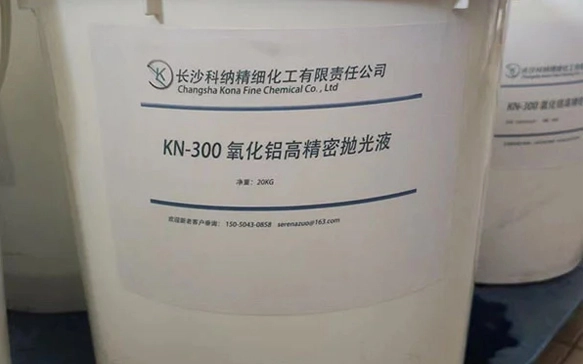
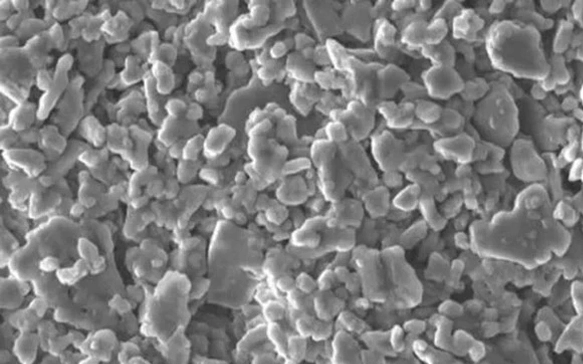
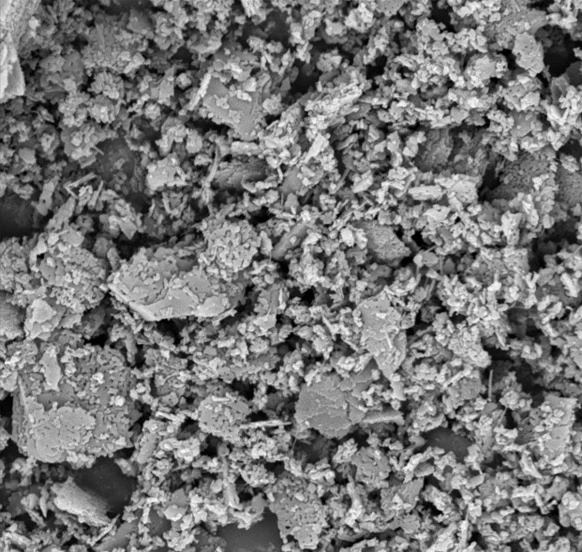
Alpha-alumina boasts a Mohs hardness of up to 9, comparable to hard materials like sapphire, making it exceptional in the coarse and medium polishing stages where high removal rates are required. Its polyhedral particle structure provides robust mechanical cutting capabilities, enabling rapid removal of surface material and significantly enhancing processing efficiency.
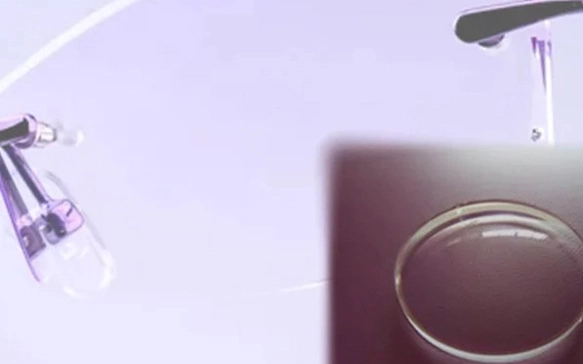
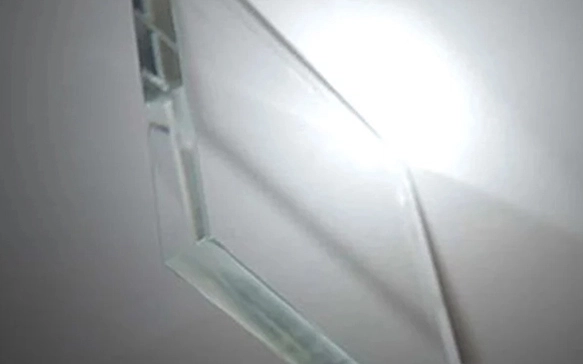
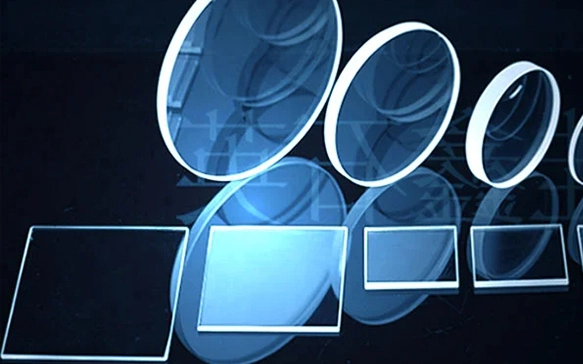
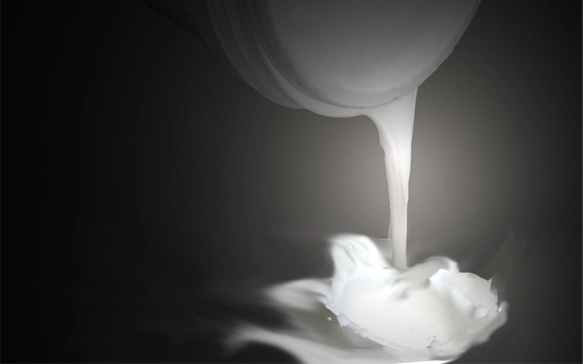
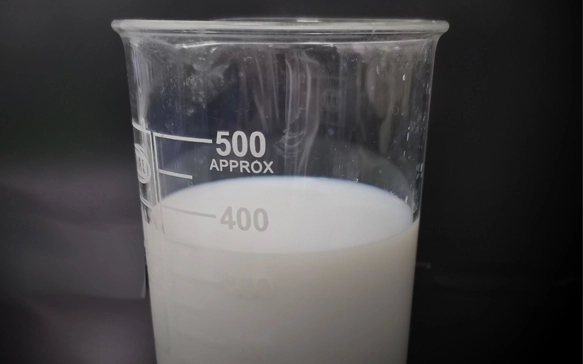
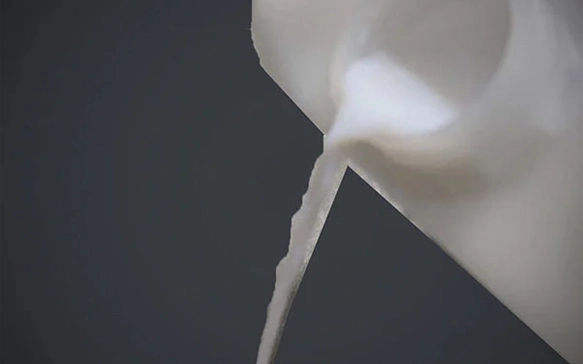
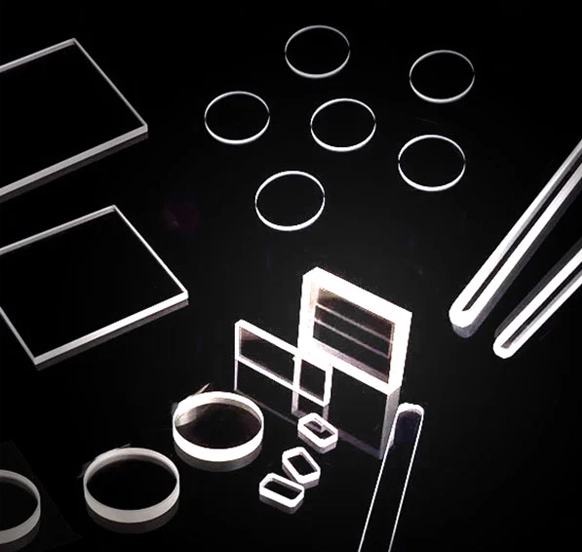
In the manufacturing of smartphone casings, camera lenses, and sapphire substrates, flake alumina has become a key abrasive for improving yield due to its excellent adhesion and scratch resistance. Furthermore, alumina polishing slurries exhibit remarkable temperature stability, resist crystallization, facilitate production management, and reduce process fluctuation risks.
Silica: Ultra-Fine Polishing for Extreme Smoothness
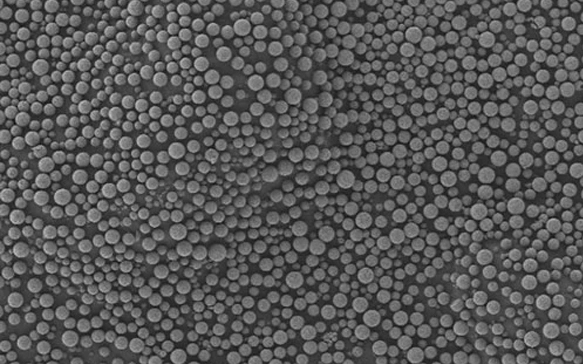
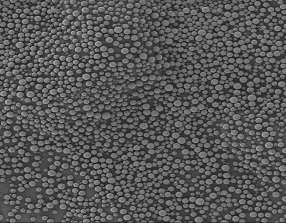
In contrast, silica abrasives primarily rely on chemical action with mechanical support. Their spherical particles form a soft reaction layer on the surfaces of silicon and glass in alkaline environments, allowing for "damage-free" polishing through rolling friction.
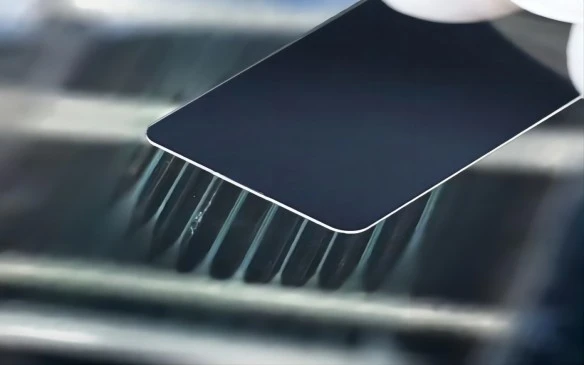
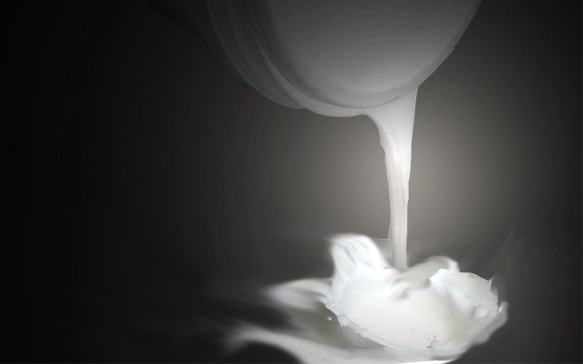
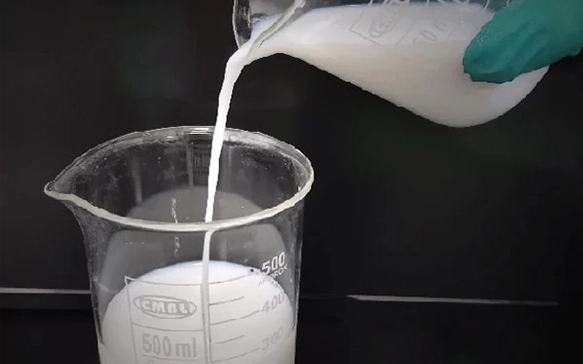
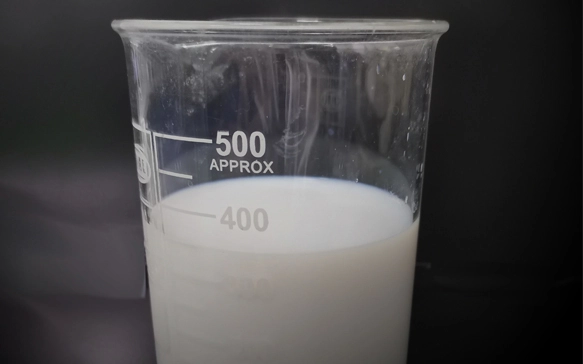
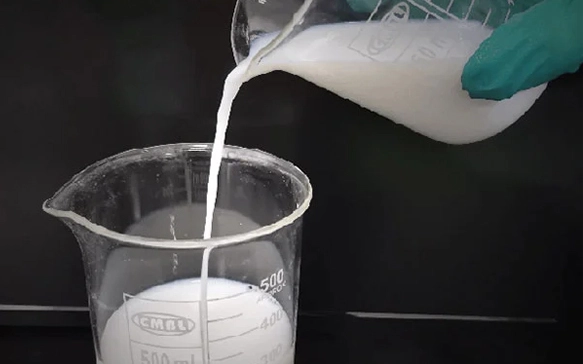
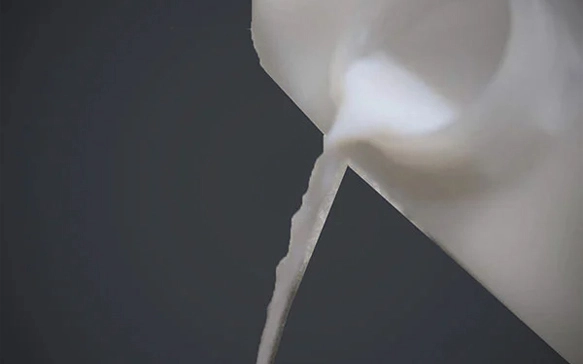
In semiconductor wafer manufacturing, silica polishing slurries (silica sol) are the preferred choice for achieving global flattening. With controllable particle sizes and excellent dispersion, these slurries can achieve post-polishing surface roughness (Ra) below 0.3 nm, meeting the stringent surface quality requirements of advanced processes. Additionally, their low metal ion content effectively prevents contamination of chips, although care must be taken to manage crystallization during use.
Beyond their roles as polishing abrasives, alumina and silica also serve as "unsung heroes" in semiconductor packaging and substrate materials, acting as functional fillers that play critical roles in thermal management and electrical performance.
Alumina: The Versatile Candidate for Thermal Conductivity and Insulation
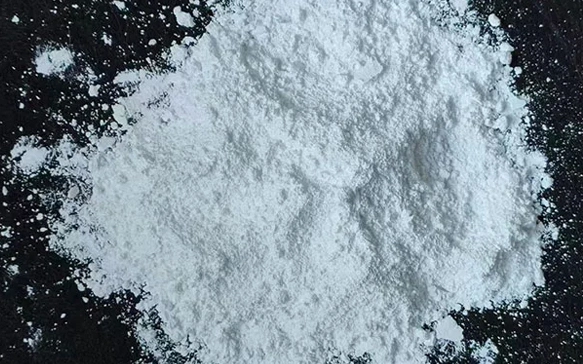
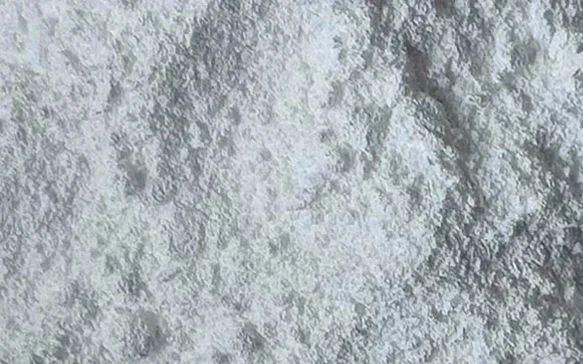
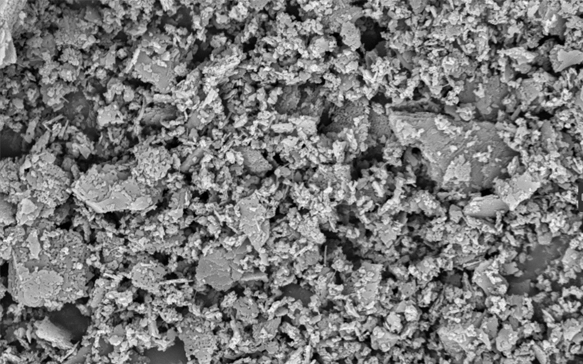
In high-power electronic devices such as LEDs, 5G base stations, and new energy vehicles, effective heat dissipation is crucial for longevity. High-purity alumina powder, used as a thermal conductive filler, can significantly enhance the thermal conductivity of epoxy resins and silicones (reaching over 5.6 W/(m·K)) while maintaining excellent electrical insulation properties.
Its thermal expansion coefficient matches that of silicon chips, effectively alleviating thermal stress and preventing cracking in the packaging layer. Whether in thermal conductive greases, potting compounds, or ceramic substrates, alumina is the ideal choice for achieving a balance of "efficient heat dissipation + reliable insulation."
Silica: The Guardian of Dielectric and Passivation
In semiconductor manufacturing, silica films are widely used as gate dielectric layers, interlayer insulation layers, and surface passivation layers. Their extremely low dielectric loss and excellent chemical stability effectively isolate circuits, prevent leakage, and protect chips from moisture and corrosion.
As a filler, nano-silica can also be used in the preparation of low-k (low dielectric constant) materials to meet the demands of high-frequency and high-speed signal transmission. Its high surface activity allows for easy modification, enabling compatibility with various matrices and enhancing material density and mechanical strength.
Kona's Choice: High Purity, Controllable, Customized
In the realm of precision processing, every parameter of the material is crucial to success. Changsha Kona Fine Chemicals consistently adheres to the product standards of "high purity, narrow particle size, and low impurities":
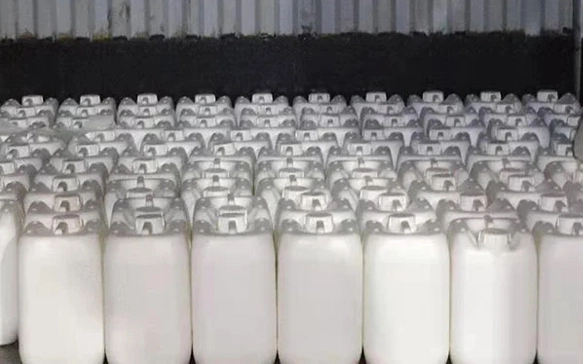
· Alumina Abrasives: Purity ≥ 99%, with adjustable D50 particle size ranging from 0.3μm to 10μm, suitable for precision polishing of materials from metals to semiconductors.
· Silica Abrasives: Produced using advanced techniques, with controllable particle sizes between 30-120nm, meeting the polishing requirements for optical and semiconductor materials such as sapphire and infrared glass.
We not only offer standardized products but also provide customized solutions based on customer process needs, including adjustments in particle size, pH value, and surface modification, helping customers optimize their processes and reduce costs.
From micrometer-level mirror polishing to nanometer-level chip flattening; from thermal management at high temperatures to electrical performance tuning in the microscopic world—alumina and silica, with their unique balance of rigidity and flexibility, are driving the continuous advancement of precision manufacturing in China.
— Changsha Kona Fine Chemicals Co., Ltd. Focusing on alumina and silica materials, empowering a new future in precision manufacturing.